As we age, it’s common to notice changes in strength, balance, and overall mobility. Tasks that once felt simple—like walking up stairs or getting out of a chair—can become more challenging, especially when combined with chronic pain or health conditions.
This is where understanding what geriatric physical therapy becomes important.
Understanding Geriatric Physical Therapy
Geriatric physical therapy is a specialized form of care designed to help older adults maintain or improve their movement, function, and independence. Through personalized treatment plans, physical therapy for older adults focuses on building strength, improving balance, and reducing discomfort.
With the right support, staying active and confident in daily life can be an essential part of healthy aging.
What Is Geriatric Physical Therapy?
Geriatric physical therapy is the specialized evaluation and treatment of movement, balance, and functional limitations in older adults. The primary goal is to help people maintain independence, reduce pain, and safely perform everyday activities.
This type of care focuses on common aging-related conditions such as arthritis, osteoporosis, joint stiffness, and decreased strength or coordination. While it shares many techniques with general physical therapy, it differs in its tailored approach.
Physical therapy for elderly patients takes into account factors like slower healing, chronic conditions, fall risk, and overall health status. Treatment plans are highly personalized, often combining strength training, balance exercises, flexibility work, and education on safe movement.
This individualized approach ensures therapy is both effective and appropriate for each patient’s needs and lifestyle.
Who Can Benefit from Geriatric Physical Therapy?
Geriatric physical therapy is designed for older adults at many different stages of health and mobility. It can be especially helpful for those experiencing balance issues, muscle weakness, or reduced mobility that make daily activities more difficult.
People living with chronic conditions such as arthritis or osteoporosis may also benefit from targeted support to manage pain and improve movement.
In addition, many people turn to senior physical therapy services during recovery from surgeries like hip or knee replacements, or after neurological events such as a stroke or conditions like Parkinson’s disease.
Importantly, the benefits of geriatric physical therapy go beyond recovery. It can also play a key role in prevention by helping reduce fall risk, maintaining independence, and supporting long-term strength and stability before more serious issues develop.
Common Conditions Treated in Geriatric Physical Therapy
There are many conditions treated with geriatric physical therapy, all centered around improving mobility, safety, and overall quality of life. One of the most common is arthritis and joint pain, which can limit movement and make everyday tasks uncomfortable. Osteoporosis is another concern, as reduced bone density increases the risk of fractures and requires careful, guided exercise.
Many older adults also experience balance disorders, which raise the likelihood of falls. This is where fall prevention physical therapy becomes especially important, focusing on stability, coordination, and confidence.
Geriatric physical therapy is also widely used during post-surgical recovery, such as after hip or knee replacements, helping patients regain strength and function safely.
Additionally, it supports those with neurological conditions like stroke or Parkinson’s disease, as well as individuals experiencing general deconditioning due to inactivity or illness.
Key Benefits of Geriatric Physical Therapy
There are many meaningful benefits of physical therapy for seniors, especially when it comes to maintaining independence and overall well-being.
One of the most important is improved balance, which helps reduce the risk of falls—a leading concern for older adults. Through targeted exercises, patients can also build strength and flexibility, making everyday movements feel safer and more manageable.
Another key advantage is pain management without relying solely on medication. Physical therapy uses movement, stretching, and strengthening techniques to address the root cause of discomfort rather than just masking symptoms.
Geriatric physical therapy also supports greater independence in daily activities, such as walking, dressing, or getting in and out of bed.
As mobility improves, so does confidence. Ultimately, improving mobility in older adults can lead to a higher quality of life that helps people stay active, engaged, and more in control of their health.
What to Expect During Geriatric Physical Therapy
If you’re wondering what to expect in geriatric physical therapy, the process typically begins with a thorough evaluation. A physical therapist will assess strength, mobility, balance, and medical history to understand your unique needs and challenges.
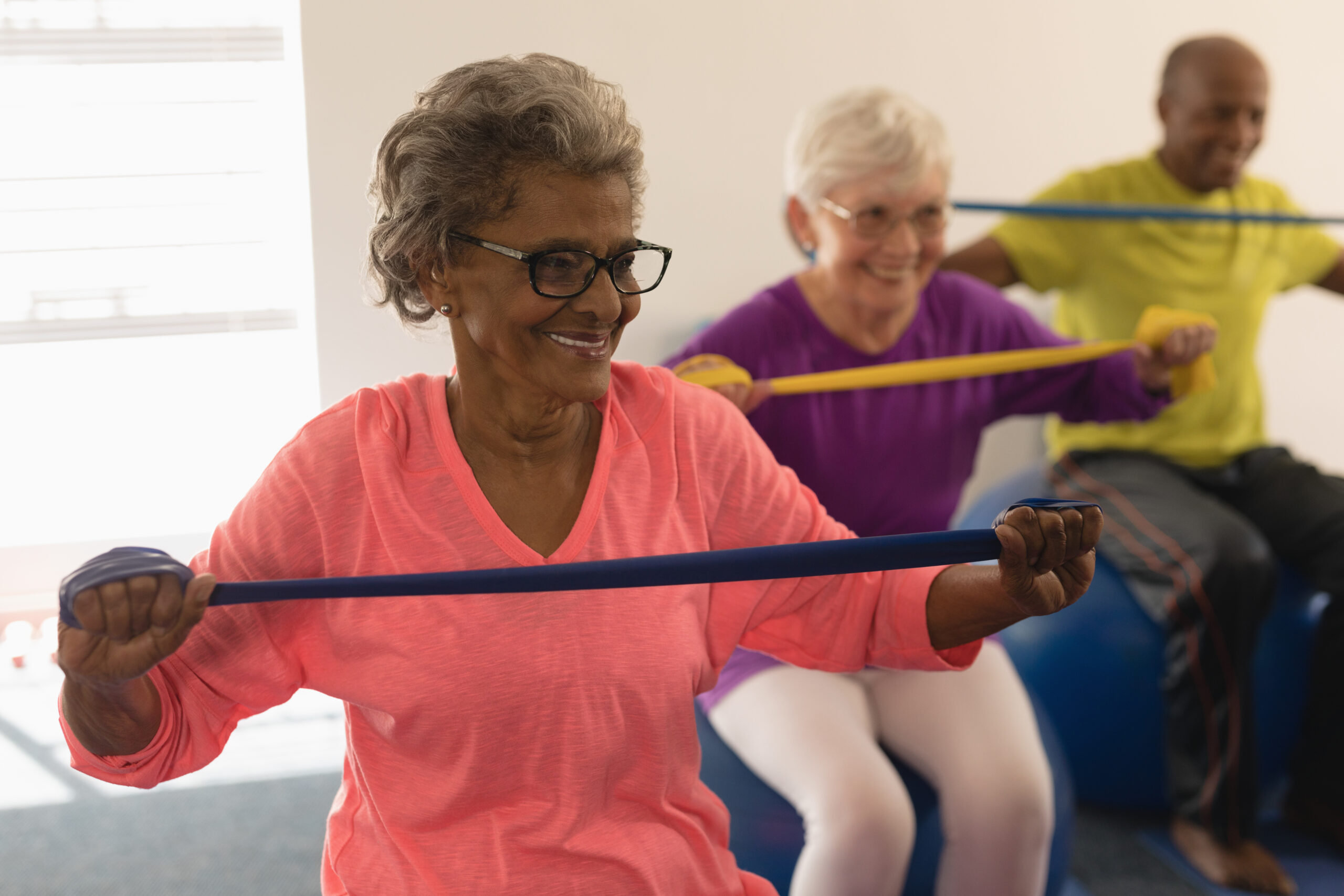
From there, a personalized treatment plan is created to support safe and steady progress. Sessions often include a mix of senior rehabilitation exercises such as:
- Strength training to build muscle
- Balance exercises to reduce fall risk
- Flexibility or range-of-motion work to improve movement.
In addition to exercises, therapists provide guidance on safe movement strategies and fall prevention techniques that can be used in everyday life. This combination of hands-on care, structured exercise, and education can help you feel more confident while working toward greater independence.
At-Home Tips to Support Geriatric Physical Therapy
Progress doesn’t stop when a therapy session ends. Staying consistent at home is an important part of improving strength, balance, and mobility. Incorporating at-home exercise into a daily routine can help reinforce what’s learned during therapy and support steady progress.
Focus on safe, simple movements recommended by your therapist, such as mobility exercises that match your ability level. It’s also helpful to fall-proof your home environment by removing tripping hazards, improving lighting, and using supportive equipment if needed.
In addition to structured exercises, staying active with light movement like walking can make a big difference. Most importantly, follow your therapist’s guidance and avoid pushing beyond your limits to ensure safe, effective results.
When to Consider Geriatric Physical Therapy
It’s not always obvious when to start geriatric physical therapy, but certain signs shouldn’t be ignored. Frequent falls—or even a growing fear of falling—can indicate balance or strength issues that need attention.
Difficulty with everyday tasks like walking, standing, or getting dressed may also signal declining mobility. Ongoing pain, stiffness, or reduced flexibility are additional reasons to seek support.
Geriatric physical therapy can also be especially helpful during recovery after an illness or surgery. Early intervention is key as addressing these challenges sooner can help prevent further decline and support safer, more confident movement.
Conclusion
Geriatric physical therapy is a specialized approach that helps older adults maintain mobility, manage pain, and stay active as they age. By addressing strength, balance, and functional movement, it plays an important role in supporting independence and overall quality of life.
Getting older doesn’t have to mean giving up the activities you enjoy. With the right guidance and support, many people can continue to move confidently and safely.
Taking a proactive approach to your health can make a meaningful difference. If you’re noticing changes in mobility or balance, consider reaching out to a licensed physical therapist to explore your options.
Ready for a Healthier Lifestyle? Contact the Center for Physical Rehabilitation at Galloway Ridge Today!
At Galloway Ridge, we’re here to support you every step of the way with personalized care that fits your needs. If you have questions about physical, occupational, or speech therapy services, we’re here to help you get started with confidence.
For more information about physical therapy, give us a call at (919) 545-2633. To learn more about how you can improve your health and lifestyle, check out our blog.